




A flight in strong winds, high temperatures, dust, sand, or prolonged use can subject the drone to more demanding conditions than normal use.
Even when there is no visible damage or warnings during the mission, some components may have been subjected to greater stress. A post-flight inspection allows you to identify signs of wear, prevent future problems, and keep your equipment in good condition.
Learn what to check before storing your drone.
1. Start with the propellers
Propellers are among the components most exposed during flight, and minor damage can easily go unnoticed.
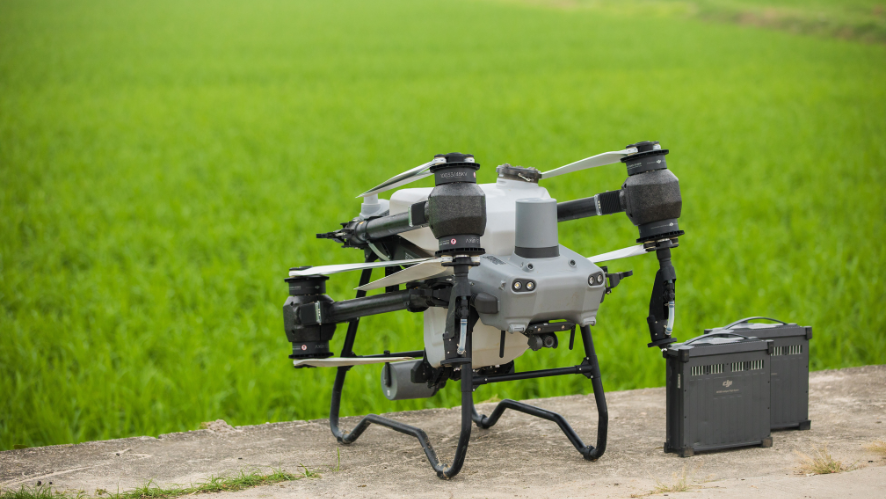
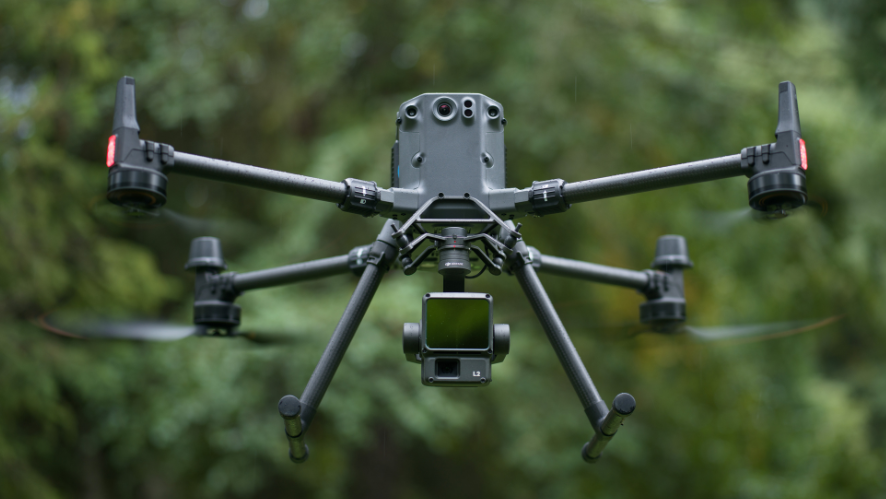
Inspect each one individually and look for cracks, deformations, wear, or other signs of damage. Also confirm that they are properly installed and do not have any abnormal play.
2. Check motors and ventilation intakes
After inspecting the propellers, focus on the components responsible for the equipment’s operation and cooling.
Check for debris, particles, or other foreign objects near the motors and ventilation areas. Also pay attention to unusual noises, resistance, or behavior.
Avoid putting the equipment away immediately if it is still hot. Allow it to cool to a safe temperature in a dry, sheltered location.
3. Check the camera, gimbal, and sensors
Inspect the drone’s lens, gimbal, and various sensors for dirt or any signs of impact. Cleaning should be done carefully and in accordance with the manufacturer’s recommendations.
In the case of the gimbal, also confirm that it moves freely and without obstruction before reattaching any transport protection.
4. Pay attention to the battery
A demanding flight can place greater strain on the battery, especially in the presence of extreme temperatures, strong winds, or high energy consumption.
After landing, check the battery’s physical condition and look for any deformities, damage, or unusual behavior. Let it cool down before recharging, and always follow the manufacturer’s specific instructions regarding use, storage, and maintenance.
Rather than just looking at the remaining percentage, it’s important to monitor the battery’s condition over time.
5. Perform a general inspection before storing the equipment
Finally, examine the drone as a whole.
Inspect the frame, arms, folding mechanisms, connectors, and other external parts of the drone, looking for cracks, loose parts, or marks that were not there before.
If there was a rough landing, contact with vegetation, or any other incident during operation, this inspection should be carried out with special care.
Storing the drone should not be the last step of the flight. Checking its condition should be part of your routine.
When should you perform a more detailed inspection?
Not all flights are equally demanding. You should pay special attention to the equipment after use in strong winds, extreme temperatures, significant dust or sand, proximity to water or moisture, rough landings, or any unexpected contact during flight.
If you notice any damage, abnormal behavior, or system alerts, avoid using the drone again until you’ve confirmed that it meets the necessary conditions for safe operation.
A quick check – just a few minutes after each use – can help you detect problems early, preserve your equipment, and prepare for your next flight with greater confidence.
At HPDRONES, you’ll find drones, accessories, and expert support to help you get the most out of your equipment.
Need support or looking for the right equipment for your next flights? Talk to our team.