


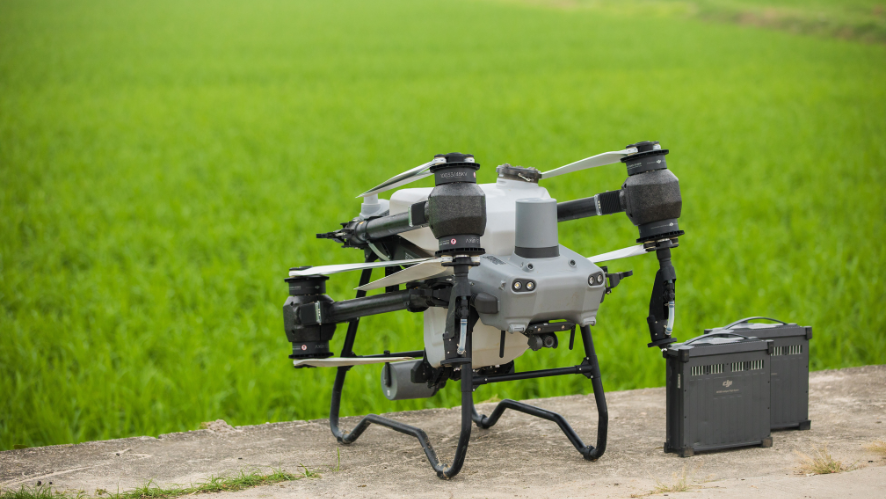
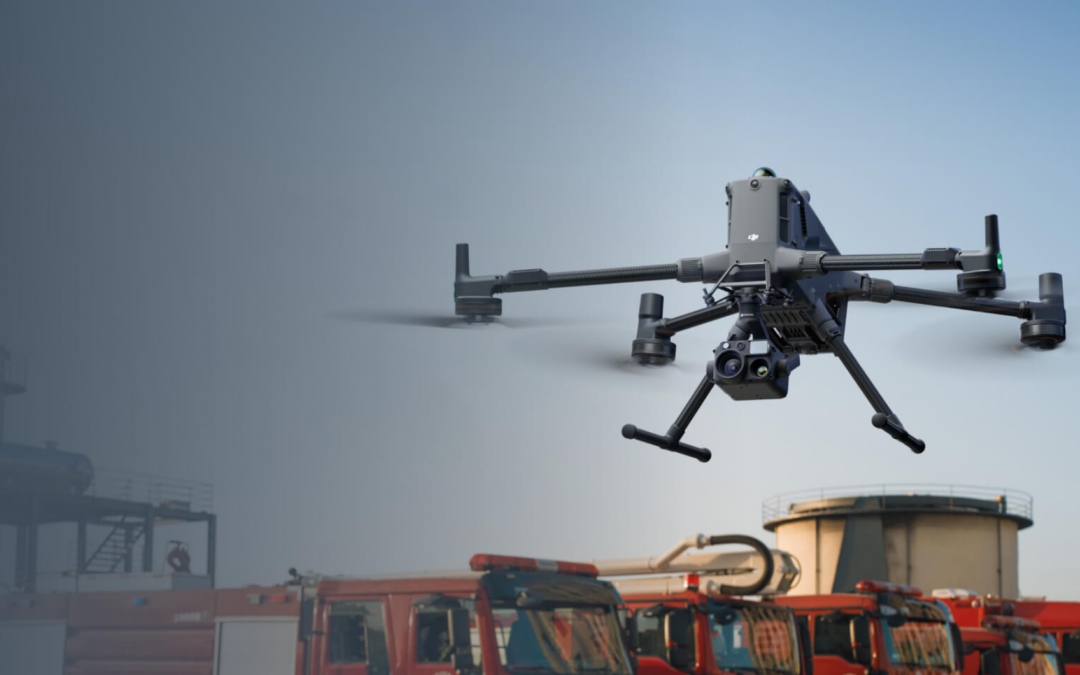
In a context where urban fires are becoming increasingly complex and demanding, the response capacity of emergency teams is a critical factor. The integration of advanced technology—particularly drones—has significantly transformed the way these situations are managed, enabling safer, faster, and more informed operations.
Lack of Visibility: The Main Operational Challenge
In urban fires, one of the greatest obstacles faced by teams on the ground is the lack of reliable information before and during the response. The presence of dense smoke, unstable structures, and multiple fire sources makes it difficult to accurately assess the situation, increasing the risk to first responders.
Traditionally, this assessment relied almost exclusively on direct observation, which entails exposure to hazardous environments and decisions based on limited information.
Drones as a Decision-Support Tool
The use of drones has filled this gap, introducing a new layer of operational intelligence. Equipped with thermal cameras and advanced sensors, these systems make it possible to:
- Identify fire hotspots hidden beneath smoke or debris;
- Assess thermal intensity in real time;
- Continuously monitor the fire’s progression;
- Support coordination among teams on the ground.
The ability to obtain an aerial perspective with thermal data provides a clearer picture of the scene, facilitating faster and more effective decisions.
Reduced Risk for Teams
One of the main benefits of using drones in urban fires is the direct reduction in exposure to danger. By enabling an initial remote assessment, first responders can plan their response more safely, avoiding unnecessary entry into high-risk areas.
In addition, sharing real-time images with command centers improves overall coordination of the operation, ensuring a more efficient allocation of resources.
Rapid Response and Operational Efficiency
In a scenario where every second counts, the speed of deployment is critical. Drones stand out for their ability to be rapidly deployed and provide critical information within minutes.
This agility translates into:
- Better prioritization of critical areas;
- Reduced response time;
- Greater effectiveness in containing the fire.
In many cases, this speed can make the difference between a controlled incident and a larger-scale situation.
Continuous monitoring and post-operation
Beyond the active firefighting phase, drones also play a key role in post-fire monitoring. Using thermal sensors, it is possible to identify residual hot spots that could cause the fire to reignite, ensuring a more thorough and safer response.
Additionally, the data collected can be used for further analysis, documentation, and continuous improvement of operational processes.
The integration of drones into urban firefighting represents a significant evolution in how emergency teams operate. By providing greater visibility, safety, and efficiency, this technology not only improves response capabilities but also directly contributes to the protection of human lives and infrastructure.
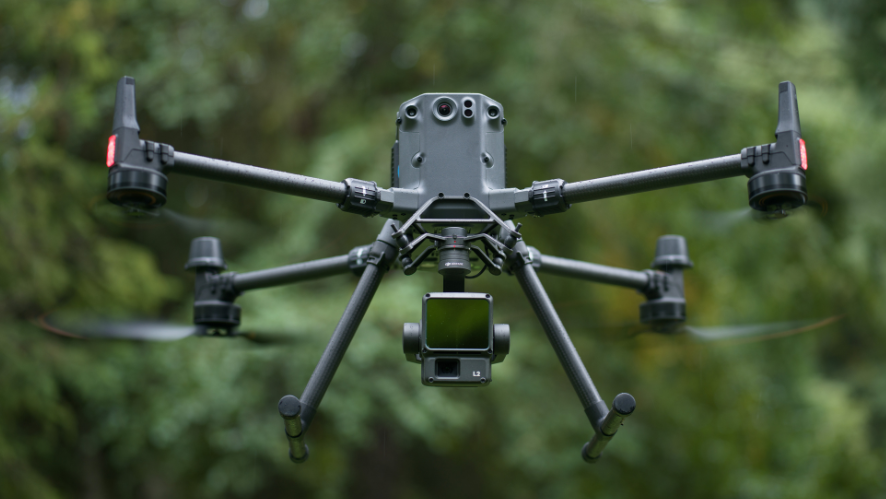
In an industry where the margin for error is minimal, investing in technological solutions such as drones is not just a competitive advantage, it’s an operational necessity. Therefore, for this type of operation, HPDRONES recommends the DJI Matrice 4T or DJI Matrice 400 equipped with the DJI Zenmuse H30T, two solutions with thermal imaging capabilities that are essential for effective detection and analysis during these missions.